
Coverage Lapse and Registration Suspension
Free to compare
When Coverage Lapses Mid-Registration
Your insurance lapsed three weeks ago. The registration sticker on your windshield shows another eight months before expiration. You need to know whether the state considers that registration valid, suspended, or something in between.
The answer depends on whether your state ties registration validity to continuous proof of insurance. Most states do not automatically suspend your registration the moment coverage lapses. They suspend your driving privilege instead, and they impose reinstatement fees that must be paid before you can renew registration or re-register a vehicle. A smaller group of states does suspend registration directly when the lapse is reported, which means the plates themselves become invalid even if the expiration date has not arrived.
“A lapse suspends your driving privilege in most states, not the registration itself—but you cannot legally drive until reinstatement is complete.”

Get Covered Again After a Lapse
Get My Coverage Lapse Insurance Quote36 states
Jurisdictions Using SR-22 Filing
SR-22 is a certificate of financial responsibility filed by your insurer to prove continuous coverage after certain violations. States that use SR-22 typically suspend driving privileges for lapses, not registration itself.
What Actually Gets Suspended
In most states, a lapse triggers a suspension of your driver's license or driving privilege, not the vehicle registration. The registration remains technically valid until its printed expiration date, but you cannot legally drive the vehicle because your license is suspended. The distinction matters because reinstatement fees and proof-of-insurance requirements attach to the license suspension, not to the registration.
A handful of states tie registration validity directly to proof of insurance. In those states, the DMV receives an electronic notice from your insurer when coverage lapses, and the registration is suspended immediately. The plates become invalid, and law enforcement can impound the vehicle if it is driven or parked on public roads. These states include New York, North Carolina, and a few others with real-time insurance verification systems.
The structural confusion arises because both systems use the word suspension, but they suspend different things. One system suspends your right to drive any vehicle. The other suspends the specific vehicle's registration. If you own multiple vehicles, the difference determines whether all of them are affected or only the one that lost coverage.
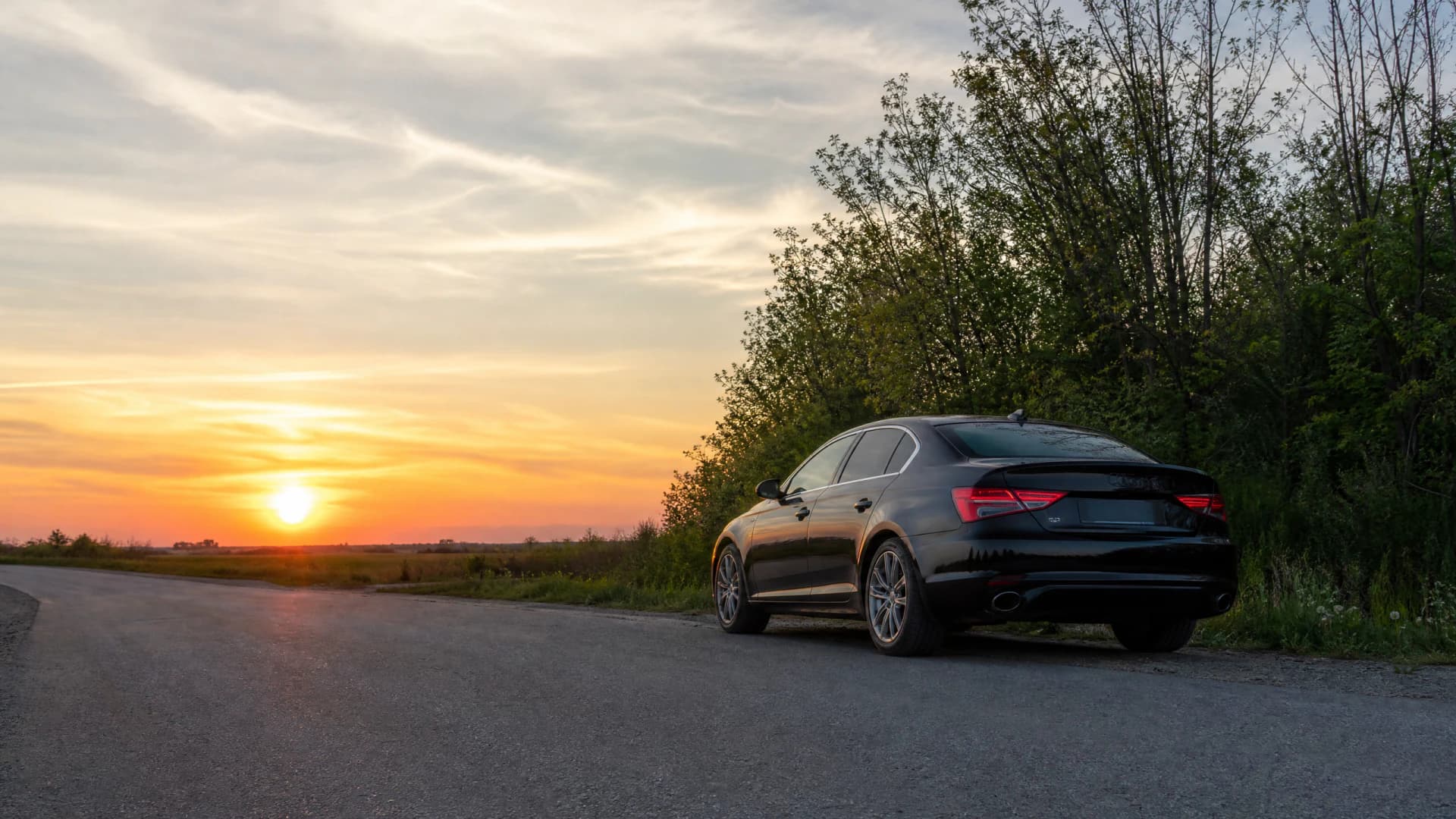
A lapse suspends your driving privilege in most states, not the registration itself—but you still cannot legally drive the vehicle until reinstatement is complete.






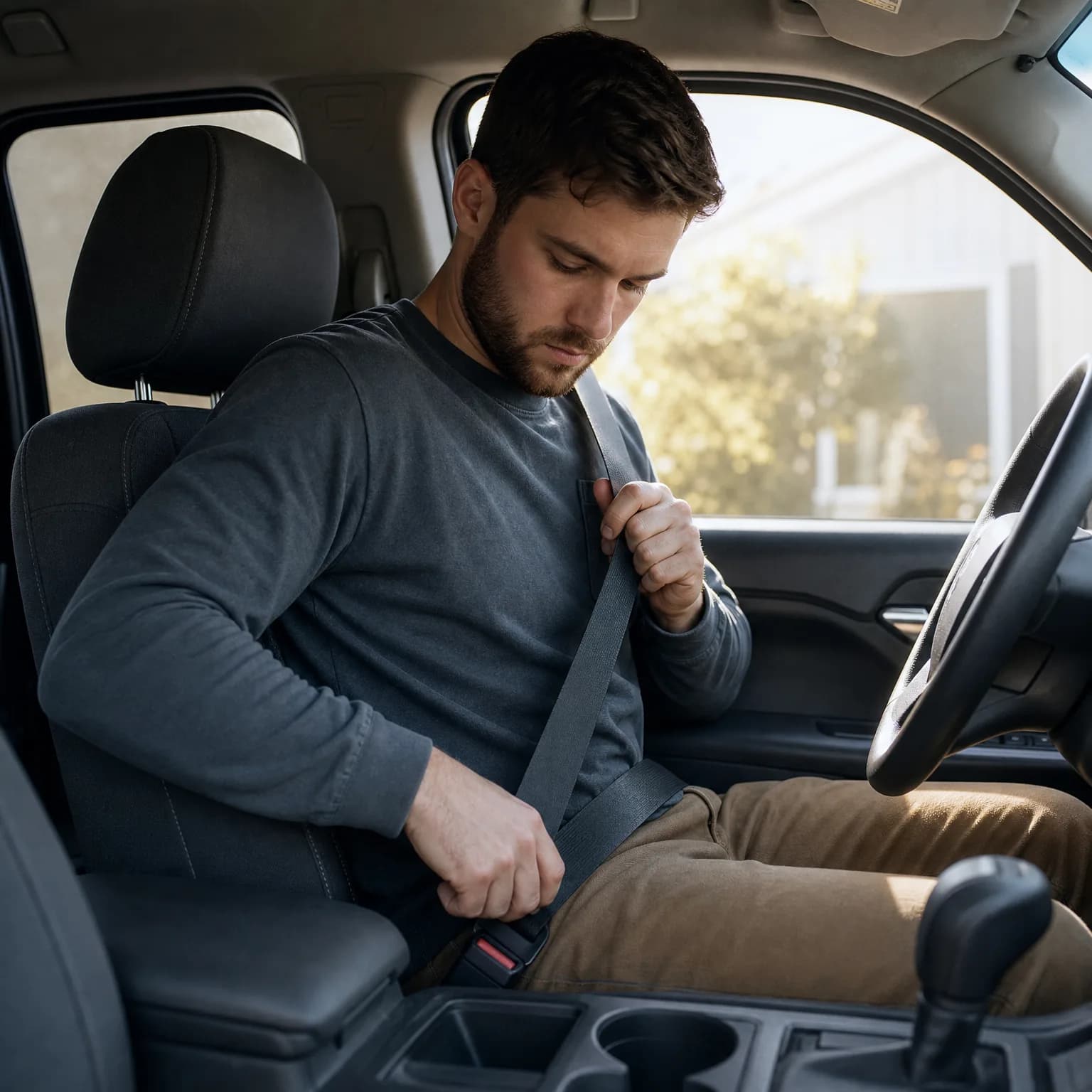
Reinstatement Fees and Requirements
Reinstatement fees vary by state and by the length of the lapse. Some states assess a per-day penalty on top of the base reinstatement fee, which means a 60-day lapse costs significantly more than a 10-day lapse.
Most states require proof of current insurance before they will process reinstatement. You cannot pay the fee and reinstate your license or registration without an active policy. The proof must show coverage that meets the state's minimum liability limits, which range from $15,000 to $50,000 per person for bodily injury and $5,000 to $50,000 for property damage across states.
Some states also require an SR-22 filing after a lapse, particularly if the lapse exceeded 30 days or if you have prior violations on your record. The SR-22 is a certificate your insurer files with the state to prove continuous coverage. It typically remains in effect for three years, and any lapse during that period triggers another suspension and additional fees.
$15,000–$50,000
State Minimum Bodily Injury Per Person
State minimum liability limits vary widely. Reinstating coverage after a lapse requires a policy that meets your state's minimums, and some states impose higher minimums for drivers with a lapse history.
NAIC 2023 Auto Insurance Database

What Happens at Renewal
If your registration expires while your license is suspended for a lapse, the DMV will not allow you to renew the registration until the license suspension is cleared. You must reinstate your license first, which means paying the reinstatement fee and providing proof of insurance, before you can renew the registration and receive new plates or a new sticker.
In registration-suspension states, the registration cannot be renewed until the suspension is lifted. The process is the same: pay the reinstatement fee, provide proof of current insurance, and then apply for renewal. Some states require you to re-register the vehicle entirely, which means paying the full registration fee again rather than a simple renewal fee.
Getting Covered Again After a Lapse
Insurers treat a lapse as a risk signal. Rates after a lapse are typically 8% to 35% higher than rates for a driver with continuous coverage, depending on the length of the lapse and your state. A lapse of a few days may have minimal impact. A lapse of several months signals higher risk, and some carriers will decline to write a policy at all.
Carriers that specialize in non-standard or high-risk auto insurance are more likely to write coverage after a lapse. These carriers include Direct Auto, Dairyland, The General, and Progressive. Rates will be higher than standard-market carriers, but coverage is available. Once you maintain continuous coverage for six to twelve months, you can shop for lower rates with standard carriers.
If you own multiple vehicles, insuring all of them on one policy typically qualifies for a multi-car discount, which can offset some of the rate increase from the lapse. The discount requires every vehicle to be listed on the same policy and usually requires them to be garaged at the same address. Adding a second or third vehicle to the policy re-rates the entire policy, so the total premium reflects the lapse surcharge applied to the combined coverage.
How States Detect and Report Lapses
The state receives the lapse notice and generates a suspension order. In license-suspension states, the order targets your driver's license. You receive a notice by mail stating that your license will be suspended on a specific date unless you provide proof of insurance and pay any required fees. The suspension date is usually 30 to 45 days after the lapse, giving you a window to reinstate coverage and avoid the suspension.
In registration-suspension states, the order targets the vehicle's registration instead. The registration is suspended immediately or after a short grace period, and the state may require you to surrender the plates. If you reinstate coverage within the grace period, the suspension is lifted. If you miss the window, you must pay reinstatement fees and provide proof of insurance before the registration can be restored or renewed.
Get Your Free Quote
Get My Coverage Lapse Insurance QuoteFrequently Asked Questions
Does my registration expire when my insurance lapses?
No, in most states the registration remains valid until its printed expiration date. The state suspends your driving privilege instead, which means you cannot legally drive the vehicle even though the registration has not expired. A few states suspend the registration directly when coverage lapses.
Can I renew my registration if my license is suspended for a lapse?
No, most states require you to reinstate your license before you can renew the registration. You must pay the reinstatement fee and provide proof of current insurance, then apply for registration renewal.
How much does it cost to reinstate my license after a lapse?
Some states assess a per-day penalty on top of the base fee. You must also provide proof of current insurance that meets your state's minimum liability limits.
Do I need SR-22 after a coverage lapse?
Some states require SR-22 filing after a lapse longer than 30 days or if you have prior violations. The SR-22 is a certificate your insurer files with the state to prove continuous coverage, typically for three years. Any lapse during that period triggers another suspension.
Will my rates go up after a lapse?
Yes, rates after a lapse are typically 8% to 35% higher than rates for continuous coverage, depending on the length of the lapse and your state. Carriers that specialize in non-standard auto insurance are more likely to write coverage after a lapse, though at higher rates.
Can I insure multiple cars after a lapse?
Yes, insuring multiple vehicles on one policy typically qualifies for a multi-car discount, which can offset some of the rate increase from the lapse. The discount requires every vehicle on the same policy and usually the same garaging address.